Why Are My Solar Panels Not Reducing My Electricity Bill in the UK?
Installing solar panels for your home is one of the most effective ways to reduce energy bills in the UK. However, some homeowners are surprised to find that their electricity bill does not decrease after installation.
If this sounds familiar, don’t worry — solar energy is not the problem. In most cases, the issue lies in installation quality or system setup.
In this guide, we explain the most common reasons why your solar panel system is not saving money, and what you can do to fix it.
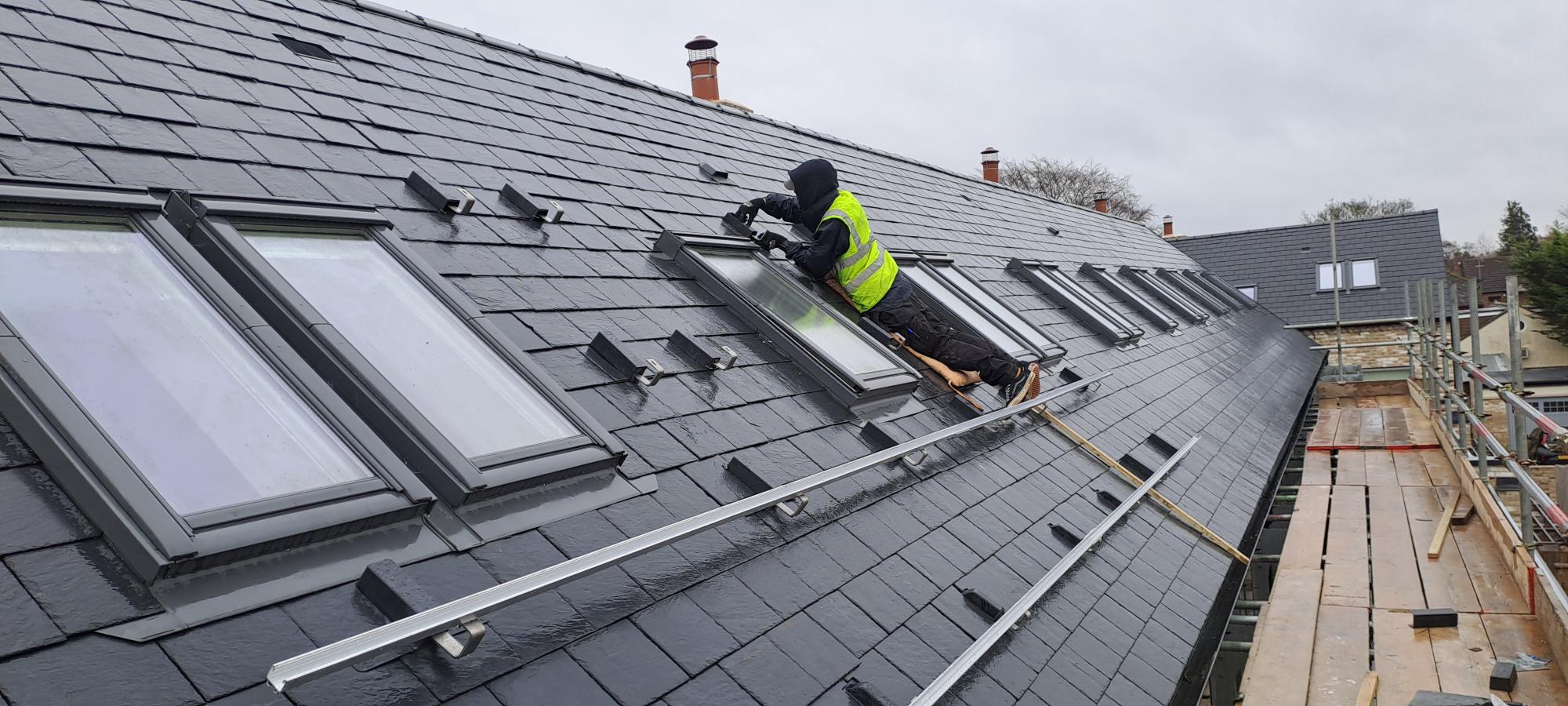
Solar Is Not the Problem — Installation Often Is
A properly installed home solar system in the UK should:
- Generate consistent electricity
- Reduce your reliance on the grid
- Lower your monthly energy bills
If this is not happening, it usually means something in the system is not working as intended.
Common Reasons Why Your Solar System Is Not Saving Money
1. Poor Installation or Incomplete Wiring
One of the most common issues is incorrect or incomplete installation.
For example:
- Loose wiring inside junction boxes
- Incorrect cable connections
- Improper inverter setup
- Components not fully connected
Even a small wiring issue can significantly reduce system performance — or stop it from working altogether.
In these cases, your solar panels may be installed, but not effectively generating or delivering electricity to your home.
2. Mismatched or Incorrect Equipment Configuration
Another common issue is system mismatch or incorrect configuration.
This may include:
- Inverter not compatible with solar panel output
- Battery system not properly integrated
- Incorrect system sizing
- Wrong parameter settings in the system software
If system parameters are not set correctly, your solar system may:
- Generate less energy than expected
- Fail to store energy efficiently
- Not prioritise self-consumption
This directly affects your ability to reduce electricity bills.
How to Fix These Issues
If your solar panels are not reducing your electricity bill, here’s what you should do:
Step 1: Contact the Equipment Manufacturer
Most modern solar systems allow manufacturers to monitor system performance remotely, diagnosing issues and adjusting system settings.
By providing your product model and serial number, the manufacturer can check if your system is working properly and detect configuration errors.
Step 2: Check for Physical Installation Problems
If the issue is not software-related, it may be a physical installation problem.
In that case:
- You may need a qualified installer to inspect the system
- Loose or incorrect wiring should be fixed
- Components may need to be reinstalled properly
If your original installer is unreliable, it is strongly recommended to find a new, certified professional.
Why Choosing the Right Installer Matters
Many solar performance issues can be avoided by choosing a trusted and professional solar provider from the beginning.
A reliable installer ensures:
- Proper system design
- Correct equipment matching
- Safe and complete installation
- Accurate system configuration
Without this, even the best solar equipment may fail to deliver expected results.
Why Choose Sunhome for Reliable Solar Solutions?
To avoid these issues, working with a trusted brand is essential.
Sunhome is a global residential energy technology company with over 13 years of experience in the solar industry. Sunhome has provided standardised and reliable services to more than 510,000 households worldwide. With a focus on standardised delivery and quality control, Sunhome ensures that:
- Systems are installed correctly
- Equipment is properly configured
- Performance meets expectations
This means homeowners can confidently reduce their energy bills without unexpected issues.
Need Help with Your Solar System?
If you’re unsure whether your solar system is working properly, or if you are planning a new installation: